
Things I Learned the Hard Way: 4 Rules for Organizing as an Athlete

Organization is an important life skill for anybody, but for athletes training 1-2 times per day, using any one of 5+ modalities and in every weather condition imaginable, it becomes a prerequisite to basic functioning. This presents a unique challenge to those naturally inclined to disorder, worse yet if you live with similarly inclined others. I can’t count the times that I’ve gotten ready for training, or even driven 30 minutes only to realize I left my poles in a different car, or my brother was borrowing my boots, or that my clothes were still in the washer with the rest of the family’s. Years of chaos have forced me to understand that disorder isn’t just avoiding a fancy life skill; organization is a foundational training principle. Now, my life as an athlete is ruled by these four principles:
1. Set your sleep schedule first
As an athlete, sleep is the most important tool in training, and your sleep schedule needs to be protected at all costs. The discipline, or lack thereof, in your sleep schedule determines the level of disorder in the rest of your life. Allowing erosion in your bedtime slowly decreases your training quality as your recovery is damaged, mornings become a scramble, and the little things like proper fueling get ignored. Sleep first!
2. Consolidation!
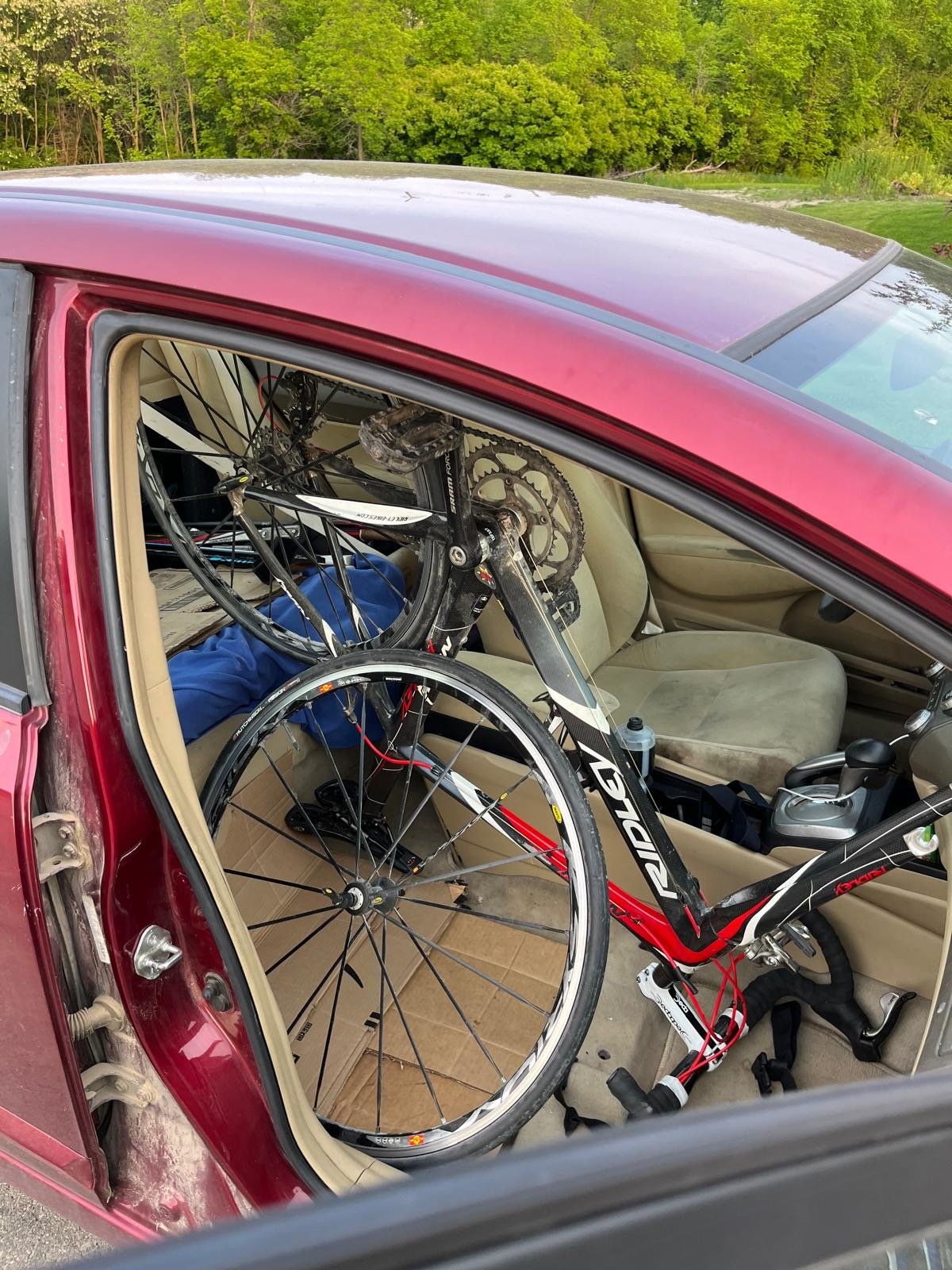
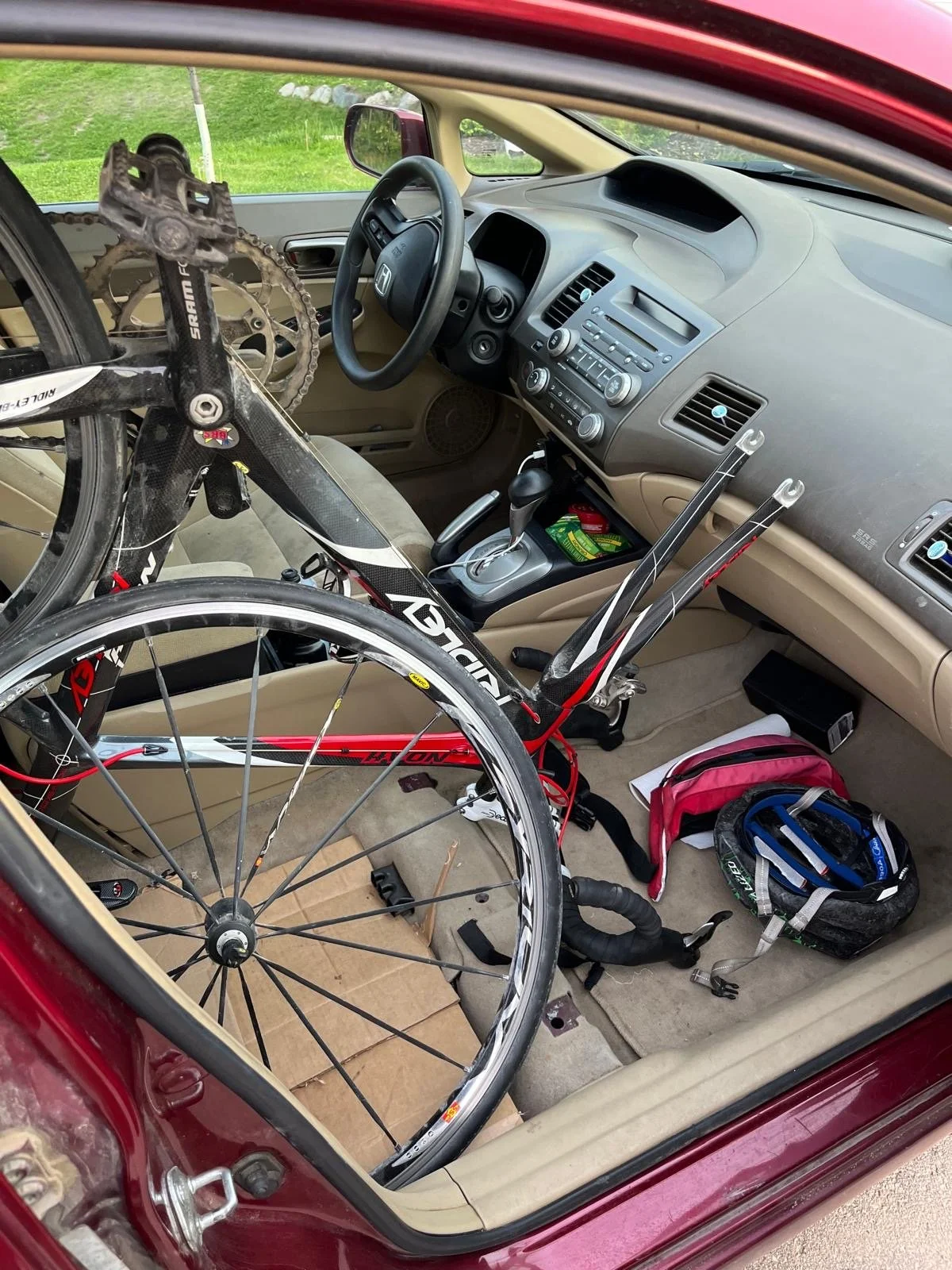
The fewer things you have to remember, the fewer things you can forget. The most important change I’ve made is that, as much as possible, do NOT share vehicles. I’ve gotten as close to living out of my car as possible; wallet, ski bag, pole tube, boots, hats, buffs, gloves, water belt, glasses, running shoes, cycling shoes, boxes of protein bars, Gatorade powder, salt, helmet, and bike have replaced my passenger seat, with cardboard and towels to protect my car. Before I park my car, I make sure I don’t need gas, and I keep my keys in the exact same spot. Using sandals to walk to and from my car, this means that all I ever have to remember is the clothes I’m wearing and fresh water bottles.
3. Expect and allow for things to go wrong
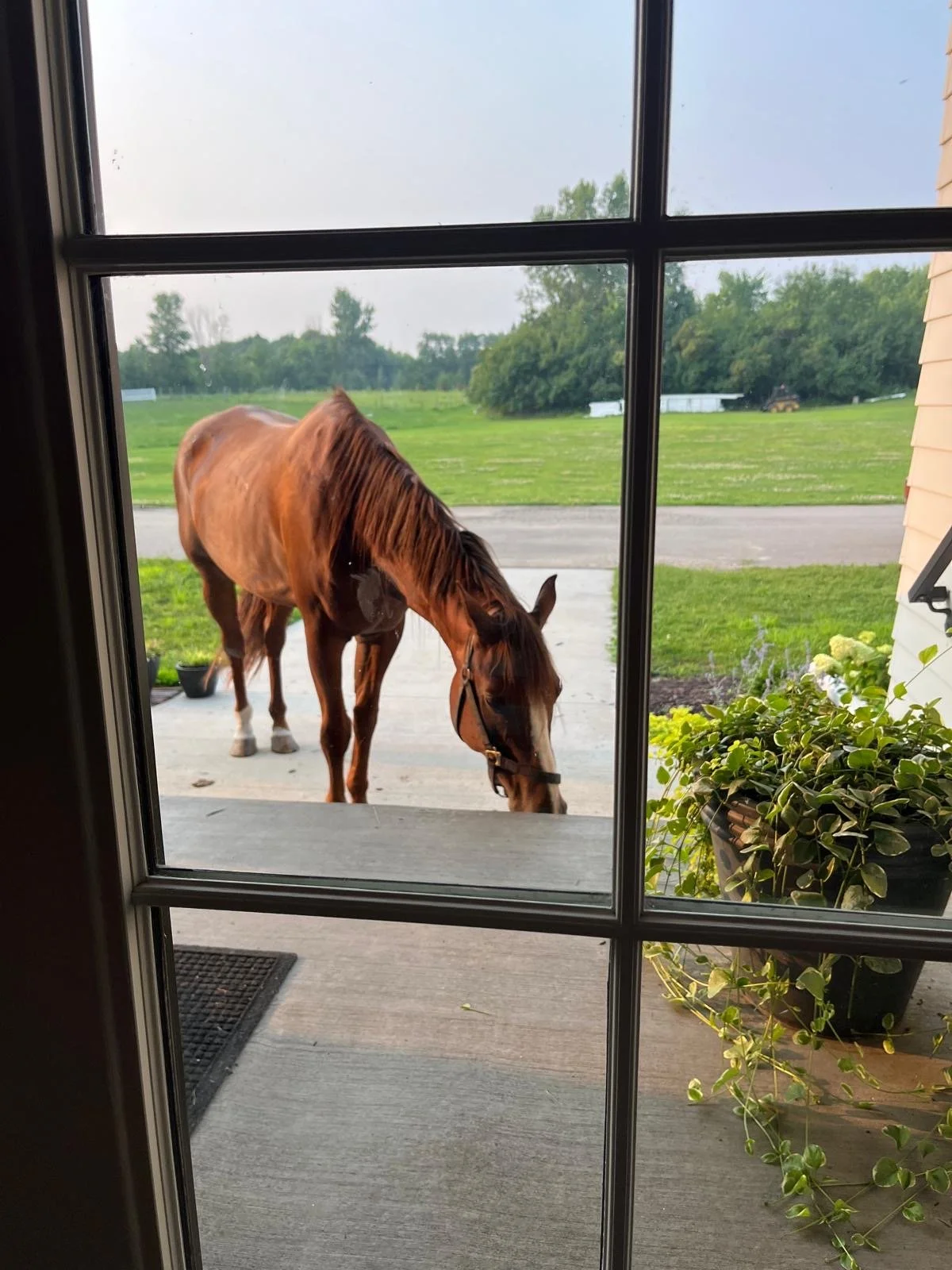
Any schedule that relies on things going only according to plan will fail. One thing I’ve learned is that even when I have a plan and a schedule, not everyone else does, and they certainly aren’t considering your schedule. This situation, where our horse got loose, is a powerful illustration. Had this happened as I was running late, it would have completely derailed my entire schedule, magnifying the problem 10x. You need a bulletproof system that allows for things to go wrong and for interference from others. This means being ready earlier than you need to. Start rushing 15 minutes before you have to leave, instead of 3 minutes. Make sure your gear is not in a vehicle someone else is planning on taking (see #2), and make sure your vehicle is fueled. Overestimate traffic and the amount of ice on your windshield. Murphy’s law is real!
4. Checklist for tomorrow
Making sure you are completely prepared for the next training day is huge! Check the weather, training schedule, and make sure you have clean clothes, and make sure you haven’t moved your gear and forgotten to put it back. Do you have food for the morning? To the extent possible, never save any preparation for the day of.
Not all of us are born with the advantage of being organized. But getting the little things right is a big deal to success! These rules help me keep things simple and rolling smooth, protecting my training from my natural inclinations. If you’re at all like me, these tips should give you just enough structure to guarantee your training isn’t hindered by disorder. Happy organizing, and happy skiing!